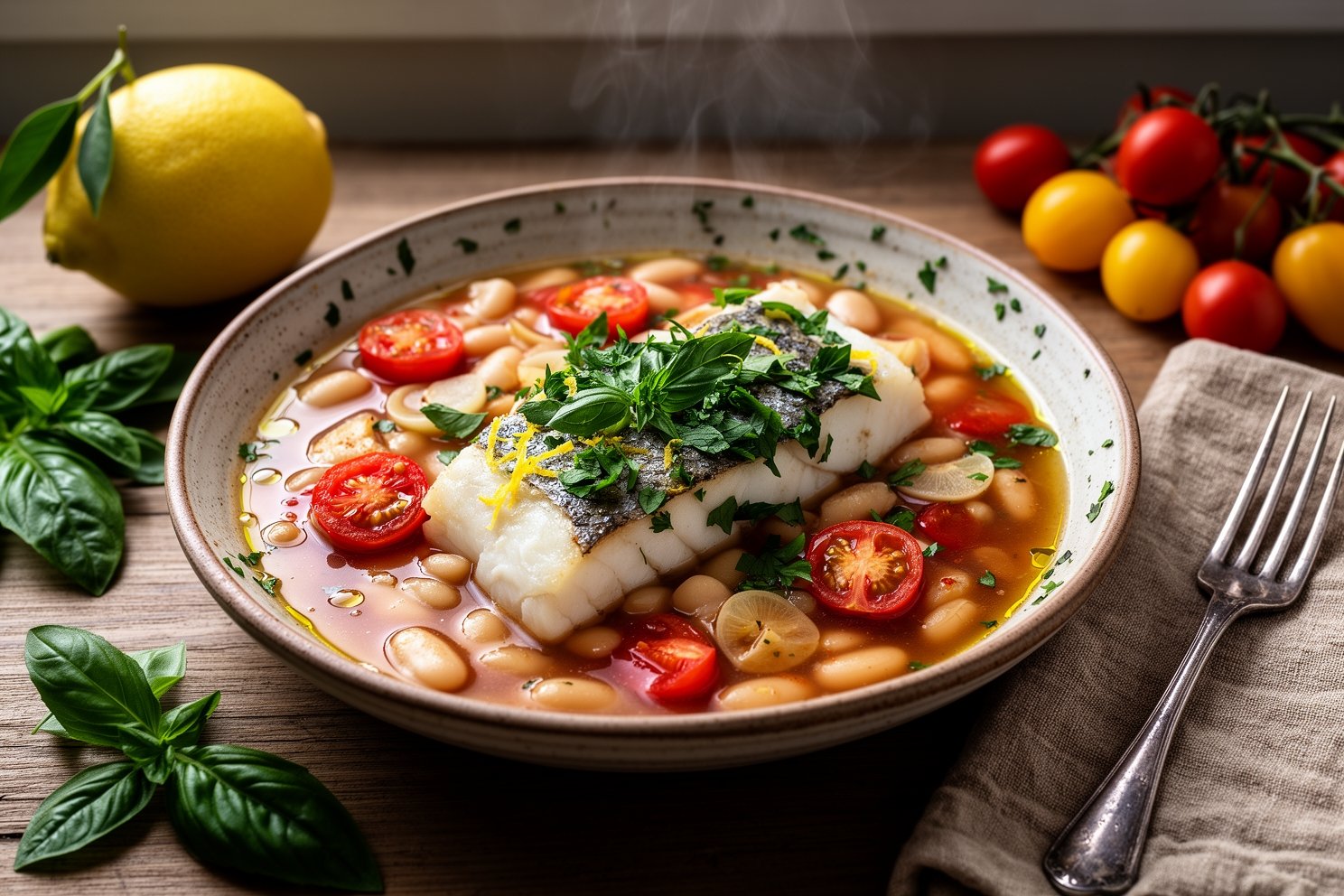

Il Mediterraneo in Tavola: Pan-Seared Haddock with Zesty Provençal Vegetables
Emeril’s Fish Provencal — A refined expression of Mediterranean coastal heritage.
Traditionally crafted with succulent white fish and garden-fresh vegetables, this Gustoli-exclusive version is optimized for metabolic wellness and vibrant heart health.
Ready in 40 minutes, it seamlessly bridges authentic Italian tradition with modern nutritional excellence.
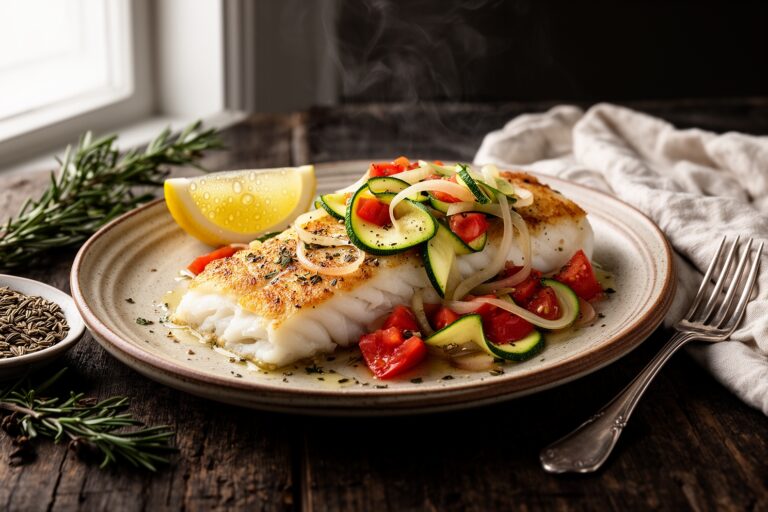
Beyond the Plate: The Story of Pan-Seared Haddock with Zesty Provençal Vegetables
Mastering the Technique
A step-by-step guide to Italian perfection
The Artisan’s Pantry
Selecting the right components is 70% of the Italian culinary success. Here is what I’ve curated for this Pan-Seared Haddock with Zesty Provençal Vegetables:
- Two generous teaspoons of bright lemon zest — [Pro-Tip: Use a microplane for the finest zest, avoiding the bitter white pith.]
- One full teaspoon of aromatic Italian herb blend — [Pro-Tip: Crush dried herbs gently in your palm before adding to release their essential oils.]
- A shy quarter teaspoon of fiery red-pepper flakes — [Pro-Tip: Adjust to your preference; a little warmth awakens the palate.]
- A quarter teaspoon of delicate anise seed, hand-crushed — [Pro-Tip: Freshly crushed anise provides a gentle, intriguing aromatic note, reminiscent of the Mediterranean breeze. This is my special Gustoli tweak!]
- A generous pinch of flaky sea salt and freshly ground black pepper — [Pro-Tip: Always season fish just before cooking to prevent it from drawing out moisture too soon.]
- One small, sweet Roman onion, thinly sliced crosswise — [Pro-Tip: Vidalia or other sweet onions caramelize beautifully without overpowering the delicate fish.]
- Six crisp baby zucchini, thinly sliced — [Pro-Tip: Slice uniformly for even cooking and a consistent texture.]
- Four pristine haddock fillets (each 6 ounces), cod, or striped bass — [Pro-Tip: Opt for sustainably sourced, fresh fish. Pat them completely dry before searing for a perfect crust.]
- One large, ripe heirloom tomato, carefully seeded and chopped — [Pro-Tip: Seeding the tomato prevents excess water from diluting your sauce. Choose the reddest, juiciest one.]
- A generous 1/4 cup plus 2 tablespoons of liquid gold extra-virgin olive oil — [Pro-Tip: Use a high-quality, cold-pressed olive oil for both cooking and finishing to impart authentic flavor.]
The Culinary Workflow
-
Crafting the Aromatic Infusion
Begin by uniting the vibrant lemon zest, the fragrant Italian herb blend, the subtle red-pepper flakes, and the freshly crushed anise seed in a small bowl. This blend is your flavor cornerstone. Gently mix these components together until they are evenly distributed, creating a fragrant aroma.
As you combine these, notice the intoxicating perfumes rising from the bowl. The citrus, the earthy herbs, and the sweet whisper of anise signal the rich layers of flavor to come. This initial step is a meditation on aroma, preparing your senses for the meal.
My shortcut here is to prepare this blend just before starting the cooking. Freshness matters. I find that allowing it to sit for even a few minutes helps the flavors meld, enhancing their potency when they hit the hot pan.
-
Building the Provençal Vegetable Foundation
Heat 1/4 cup of the exquisite extra-virgin olive oil in a large, heavy-bottomed skillet over medium heat. Once it shimmers, introduce the thinly sliced sweet Roman onion and the crisp baby zucchini. Sauté them patiently.
Listen for the gentle hiss as the vegetables hit the oil; watch for the edges of the onion to soften and turn translucent. The zucchini should develop a tender bite, not mushy. This process extracts their natural sweetness and builds a complex flavor base.
Here’s my trick: season the vegetables with a pinch of flaky sea salt as they cook. This draws out moisture, intensifying their flavor and helping them caramelize more effectively. Don’t rush this stage; patience yields perfection.
-
Sealing the Ocean’s Freshness
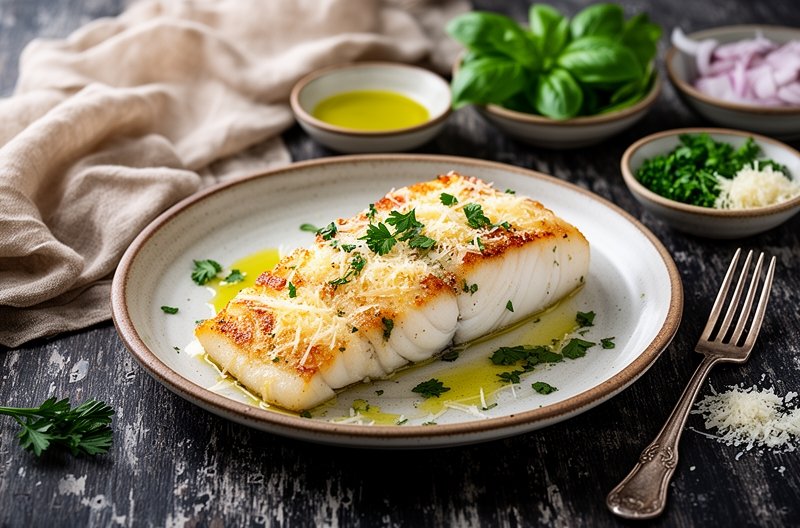
While the vegetables gently cook, prepare your pristine fish fillets. Pat them thoroughly dry with paper towels—this is crucial for a golden, crisp crust. Season them generously on both sides with flaky sea salt and freshly ground black pepper.
Listen for the sizzle when the fish touches the hot pan, a clear sign the oil is at the right temperature. Watch for the edges of the fillets to turn opaque and a beautiful golden-brown crust to form. The aroma should be distinctly of freshly seared fish.
I always make sure the pan is truly hot before the fish goes in. If the pan isn’t hot enough, the fish will stick and steam, losing that coveted crispy exterior. A quick, high-heat sear is key to locking in moisture and flavor, making this an excellent option for effortlessly quick and healthy Italian meals.
-
The Roman Finish: Uniting Flavors
Carefully place the seasoned fish fillets directly on top of the softened vegetables in the skillet. Sprinkle the aromatic infusion you prepared earlier evenly over the fish and vegetables. Then, add the chopped heirloom tomato.
Cover the skillet and allow everything to gently steam together for about 3 to 5 minutes, or until the fish flakes easily with a fork. The aromas should now be a harmonious blend of citrus, herbs, and sweet tomato. The vegetables will be perfectly tender-crisp.
My final touch: a generous drizzle of the remaining 2 tablespoons of extra-virgin olive oil over the entire dish just before serving. This fresh, uncooked oil adds a vibrant, peppery finish and a luxurious mouthfeel that truly elevates the dish.
Alessia’s Expert Secrets
Achieving the perfect texture is about contrast: a beautifully seared, flaky fish against tender-crisp vegetables. Do not overcrowd your pan when searing the fish; this ensures a proper crust. For the vegetables, a quick sauté leaves them with a delightful bite, not limp.
This dish sings with a crisp Vermentino or a light, unoaked Chardonnay. On the plate, a simple side of steamed asparagus or a delicate quinoa salad would complement its fresh, Mediterranean flavors beautifully. Finish with a sprig of fresh basil for an added aromatic lift.
Recipe Insights & Tips
Why is Haddock (or Cod/Striped Bass) essential for this dish?
Haddock, cod, and striped bass are firm, white-fleshed fish renowned for their mild flavor and ability to hold their shape during cooking. This makes them ideal for pan-searing, ensuring they remain succulent and flaky without falling apart into the delicate Provençal vegetable medley. Their subtle taste allows the bright herbs and vegetables to truly shine, creating a balanced and harmonious dish.
How does this fit into a Longevity diet?
This recipe perfectly embodies the principles of the Mediterranean diet, a cornerstone of longevity. It features lean protein from fish, which is rich in omega-3 fatty acids, crucial for brain and heart health. The abundance of fresh vegetables provides essential vitamins, minerals, and fiber, supporting digestive health. Furthermore, using extra-virgin olive oil as the primary fat introduces beneficial monounsaturated fats. This combination creates an anti-inflammatory, nutrient-dense meal that supports overall well-being and a longer, healthier life.
Kcal
Wellness & Longevity Note
Each serving of this exquisite Pan-Seared Haddock with Zesty Provençal Vegetables delivers approximately 406 calories, a thoughtful balance for a main course. This dish is a powerhouse of nutrition: lean protein from the fish supports muscle maintenance and satiety, while the generous servings of zucchini and tomato provide fiber, potassium, and vitamins A and C. The healthy fats from the extra-virgin olive oil are vital for nutrient absorption and cardiovascular health. It’s naturally dairy-free, gluten-free, and rich in phytonutrients, making it a stellar choice for a wholesome, health-conscious lifestyle aligned with Mediterranean diet principles.