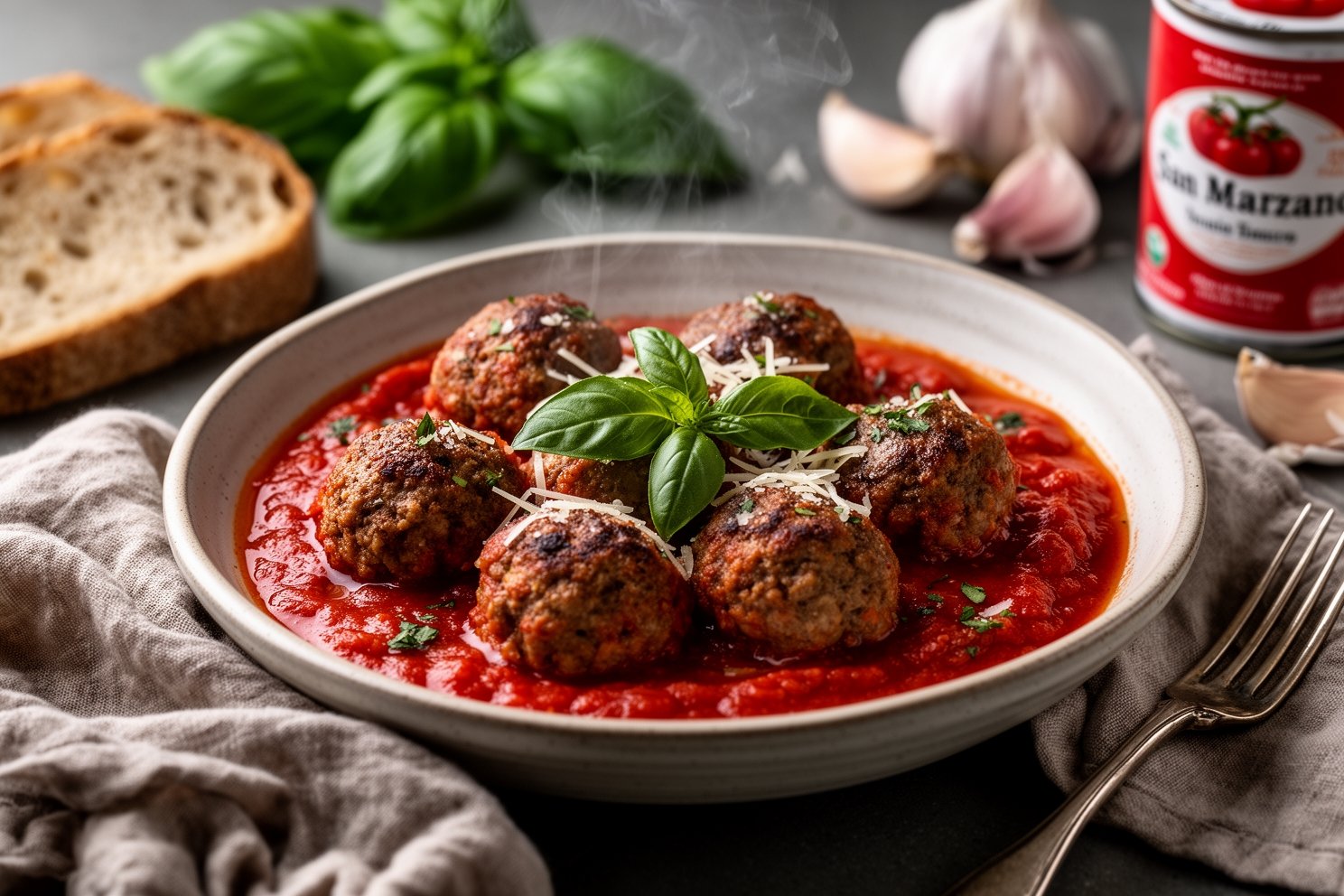

Mini Polpettone: Tuscan-Inspired Individual Meatloaves with a Tangy Balsamic Finish
Mini Polpettone: Tuscan-Inspired Individual Meatloaves — A refined expression of Tuscany’s culinary heritage.
Traditionally crafted with lean ground beef and aromatic herbs, this Gustoli-exclusive version is optimized for metabolic wellness and robust flavor.
Ready in 60 minutes, it seamlessly bridges authentic Italian tradition with modern nutritional excellence.
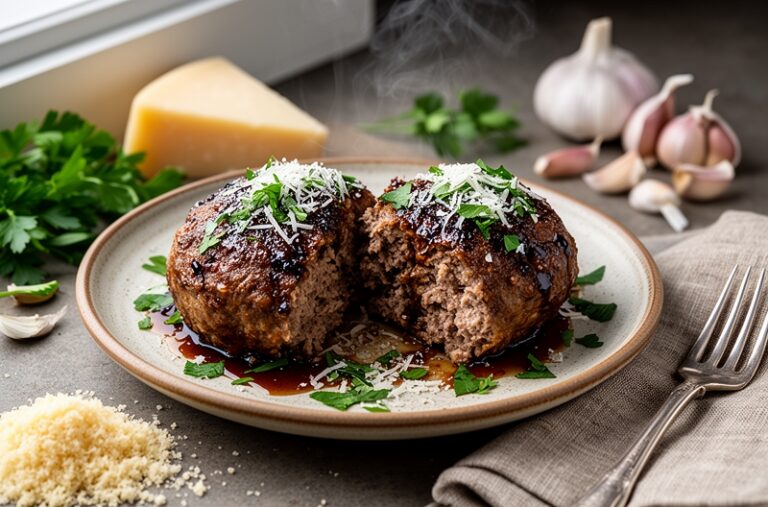
Beyond the Plate: The Story of Mini Polpettone: Tuscan-Inspired Individual Meatloaves
Mastering the Technique
A step-by-step guide to Italian perfection
The Artisan’s Pantry
Selecting the right components is 70% of the Italian culinary success. Here is what I’ve curated for this Mini Polpettone: Tuscan-Inspired Individual Meatloaves:
- Two cups of finely shredded Italian country bread — Pro-Tip: Day-old bread works best. Soak it lightly in a touch of milk for extra tenderness, then squeeze out excess liquid.
- A quarter cup of freshly grated Parmigiano-Reggiano D.O.P. — Pro-Tip: Grate it just before use. This releases its full, piquant aroma and flavor.
- A quarter cup of vibrant, chopped flat-leaf Italian parsley — Pro-Tip: Always use flat-leaf. Its flavor is far superior to curly parsley. Chop it finely for even distribution.
- A quarter teaspoon of flaky Kosher sea salt — Pro-Tip: This salt dissolves beautifully and seasons the meat uniformly.
- A quarter teaspoon of freshly cracked black pepper — Pro-Tip: Grind your pepper fresh. The aroma is incomparable and adds a lively kick.
- Five cloves of pungent, crushed garlic — Pro-Tip: Crush with the flat of your knife, then mince. This releases more of its essential oils.
- One and a half pounds of lean, pasture-raised ground beef — Pro-Tip: Look for beef with 85-90% lean. Too lean and it can dry out. Too much fat and it becomes greasy.
- One large, farm-fresh egg, lightly whisked — Pro-Tip: Bring the egg to room temperature. It emulsifies better and creates a smoother mixture.
- Two tablespoons of rich heavy cream — Pro-Tip: This is my secret for an incredibly tender texture. It adds moisture and richness without overwhelming the flavor.
- Two tablespoons of cold-pressed extra virgin olive oil — Pro-Tip: Choose a high-quality oil. It’s not just for cooking; it’s a flavor component.
- One tablespoon of aged balsamic vinegar of Modena — Pro-Tip: A good quality balsamic will have a thicker consistency and a complex sweet-tart profile.
- One tablespoon of light brown sugar — Pro-Tip: This balances the acidity of the balsamic. It helps create that lovely sticky glaze.
The Culinary Workflow
-
Crafting the Flavor Foundation
Begin by combining your shredded Italian bread, Parmigiano-Reggiano, fresh parsley, Kosher salt, and cracked black pepper in a large mixing bowl. Add the crushed garlic, then the lean ground beef. Next, pour in the lightly beaten egg and the heavy cream. This initial blend is crucial for even seasoning.
Watch the mixture as you bring it together; it should start to look uniform, with all the herbs and spices distributed throughout the meat. Listen for the gentle squishing sound as you mix, indicating the ingredients are integrating properly. The color should be consistent, showing no isolated patches of any one ingredient.
Alessia’s shortcut: I always use my hands for this step. It’s the best way to feel the texture and ensure everything is perfectly combined without overworking the meat. Overmixing leads to tough meatloaves, and we want tenderness here. Think gentle kneading, not vigorous mashing.
-
The Art of Shaping and Baking
Preheat your oven to 375°F (190°C). Divide the meat mixture into six equal portions. Gently shape each portion into an oval or mini loaf, roughly 3-4 inches long. Arrange them neatly on a parchment-lined baking sheet, allowing a little space between each one for even cooking.
Observe the shape you’re creating; aim for consistency so they cook at the same rate. You should see the individual meatloaves hold their form well. Place them directly into the preheated oven. They will bake for about 20-25 minutes, or until they are mostly cooked through and slightly browned on top.
Alessia’s shortcut: For perfectly uniform loaves, I lightly oil my hands before shaping. This prevents sticking and helps create a smooth, appealing surface. This small step makes a big difference in presentation. These delightful our curated collection of exquisite Italian meat recipes are always a hit!
-
Developing the Luscious Balsamic Glaze
While the meatloaves are baking, prepare your balsamic glaze. In a small saucepan, combine the extra virgin olive oil, aged balsamic vinegar, and light brown sugar. Bring this mixture to a gentle simmer over medium-low heat, stirring constantly to dissolve the sugar completely.
Watch for the glaze to thicken slightly; it should coat the back of a spoon. Listen for the soft bubbling, not a rapid boil, which indicates it’s reducing evenly. The color will deepen to a rich, glossy brown. This reduction concentrates the flavors beautifully, creating a complex sweet-tart syrup.
Alessia’s shortcut: Don’t walk away from your glaze! Balsamic can go from perfect to burnt very quickly. Stirring constantly prevents scorching. This reduction is a key element, similar to many our artisanal Italian sauces and condiments, requiring your full attention for that perfect consistency.
-
The Finishing Touch: Glazing and Final Baking
After 20-25 minutes, remove the partially baked meatloaves from the oven. Carefully brush each individual meatloaf with a generous amount of the prepared balsamic glaze. Ensure an even coating on all sides for maximum flavor and a beautiful sheen.
Return the glazed meatloaves to the oven for an additional 10 minutes. Observe as the glaze caramelizes, forming a slightly sticky, intensely flavorful crust. The kitchen will fill with the intoxicating aroma of savory meat and sweet, tangy balsamic.
Alessia’s shortcut: I sometimes reserve a little extra glaze to drizzle over the finished meatloaves just before serving. This adds an extra layer of gloss and flavor, making them truly irresistible. Serve these with some perfectly roasted asparagus or a light green salad from our complementary vegetable sides for a complete meal.
Alessia’s Expert Secrets
The key to a supremely tender polpettone is the combination of finely shredded bread soaked in a touch of cream and the gently handled lean beef. Avoid overworking the mixture; just enough to combine everything ensures a delicate, melt-in-your-mouth texture.
These mini meatloaves pair beautifully with a robust, medium-bodied Sangiovese from Tuscany. For a side, think simple: creamy polenta, garlicky sautéed spinach, or tender roasted root vegetables will beautifully complement the rich meat and tangy glaze.
Recipe Insights & Tips
Why is Heavy Cream essential for this dish?
Heavy cream acts as a tenderizer and enriches the meatloaves, giving them a succulent quality often missing from leaner meats. It binds the ingredients gently and ensures the final product remains moist and flavorful, even after baking. It’s a touch of luxury that makes a real difference.
How does this fit into a Longevity diet?
This dish aligns with Mediterranean diet principles, focusing on lean protein, fresh herbs, and healthy fats from olive oil. While it contains some bread, choosing whole grain options can enhance fiber. The small, individual portions encourage mindful eating. It’s a delicious way to incorporate satisfying protein and rich flavors, contributing to overall well-being and recipes focused on heart health when enjoyed as part of a balanced diet.
Kcal
Wellness & Longevity Note
Our Mini Polpettone is a testament to how traditional Italian comfort food can be adapted for modern wellness. By selecting lean ground beef, we reduce saturated fats without sacrificing flavor. The fresh herbs — parsley and garlic — provide antioxidants and anti-inflammatory benefits. While the original recipe includes Italian bread and a touch of brown sugar in the glaze, which makes it not strictly “low-carb,” it still offers a balanced profile of protein and complex carbohydrates, making it a hearty, nourishing meal when paired with plenty of vegetables. It embodies the joy of eating well, the Italian way.