
The Roman Riviera Tomato Pie: A Sun-Kissed Dough Masterpiece
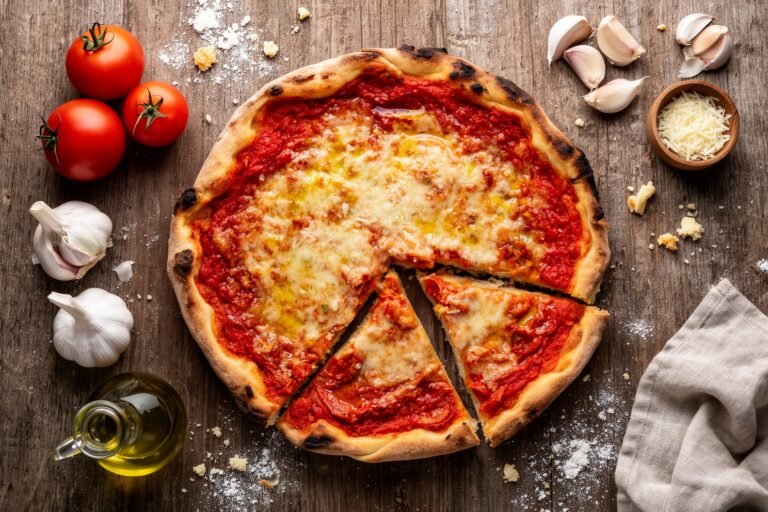
Italian Tomato Pie Recipe — A refined expression of Puglia’s culinary heritage.
Traditionally crafted with robust San Marzano tomatoes and a rustic, airy dough, this Gustoli-exclusive version is optimized for metabolic wellness and authentic pleasure.
Ready in 150 minutes, it seamlessly bridges authentic Italian tradition with modern nutritional excellence.
Beyond the Plate: The Story of The Roman Riviera Tomato Pie
Mastering the Technique
A step-by-step guide to Italian perfection
The Artisan’s Pantry
Selecting the right components is 70% of the Italian culinary success. Here is what I’ve curated for this Roman Riviera Tomato Pie:
- 500 grams (approximately 4 cups) of unbleached Italian ’00’ bread flour — [Pro-Tip: Ensure your flour is fresh; its protein content is key to a robust crumb.]
- 3 grams (1 teaspoon) of active dry yeast — [Pro-Tip: Confirm it’s fresh by testing a small amount in warm water first; vigorous bubbling indicates vitality.]
- 10 grams (1 ½ teaspoons) of fine-grain sea salt, divided — [Pro-Tip: Essential for flavor in the dough and balancing the tomato’s sweetness.]
- 350 grams (1 ½ cups) of purified, lukewarm water — [Pro-Tip: Water at around 105°F (40°C) is ideal for yeast activation without killing it.]
- A quarter cup of cold-pressed extra virgin olive oil, divided — [Pro-Tip: This golden elixir adds richness to the dough and forms the luscious base of our sauce.]
- One 28-ounce can of DOP San Marzano whole peeled tomatoes — [Pro-Tip: The cornerstone of this pie; their natural sweetness and low acidity are unparalleled. Crush them by hand for a rustic texture.]
- Two plump cloves of fresh, aromatic garlic, finely minced — [Pro-Tip: A subtle whisper of garlic, not an overpowering shout, is what we aim for.]
- A generous pinch of flaky Maldon sea salt, plus more to taste — [Pro-Tip: Use for seasoning the sauce and as a delicate finish, adding a delightful crunch.]
- Two tablespoons of aged Pecorino Romano, freshly grated — [Pro-Tip: Its sharp, salty notes will awaken the palate and deepen the umami of the sauce.]
- A drizzle of extra virgin olive oil for garnishing — [Pro-Tip: A final flourish to enhance the flavor and provide a beautiful sheen.]
The Culinary Workflow
-
The Soul of the Dough – Hydration & Kneading
In a large mixing bowl, combine 500 grams of unbleached Italian ’00’ bread flour with 3 grams of active dry yeast. Gradually add 350 grams of lukewarm water and 1 teaspoon of fine-grain sea salt, mixing with a sturdy wooden spoon until a shaggy dough forms. Incorporate 1 tablespoon of extra virgin olive oil.
Alessia’s Shortcut: Let the dough rest, covered, for 15-20 minutes before kneading. This “autolyse” phase hydrates the flour fully, leading to a more elastic dough with minimal effort. Knead for 5-7 minutes until smooth. -
The Sacred Rest – First Proof
Lightly oil a clean bowl with extra virgin olive oil. Transfer your kneaded dough to this bowl, turning it to coat. Cover tightly with cling film.
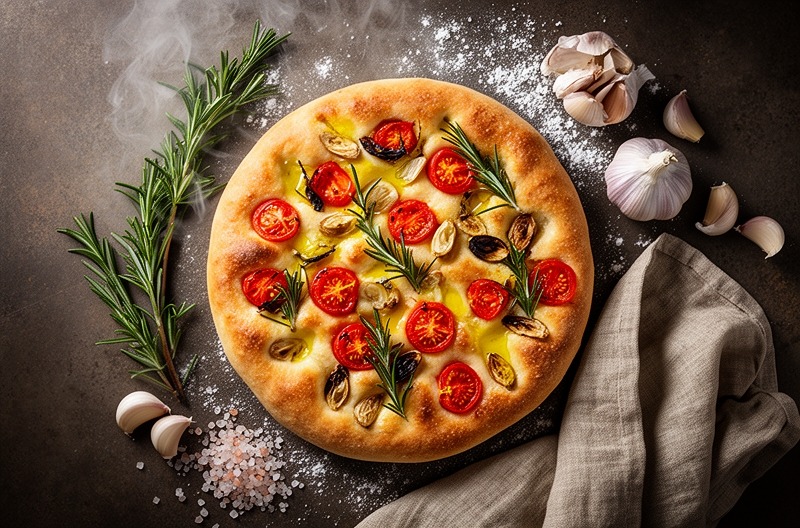
Allow the dough to rise in a warm spot for 1 to 1.5 hours, or until doubled in size. Watch for the transformation as it visibly expands, becoming smooth and supple. A rustic focaccia often relies on a similar, patient rise. -
Crafting the Sun-Kissed Sauce
Heat 1 tablespoon of extra virgin olive oil in a medium saucepan over low heat. Add two finely minced garlic cloves and sauté gently for 1-2 minutes until fragrant, ensuring they do not brown.
Crush the DOP San Marzano tomatoes by hand directly into the pan for a rustic texture. Add the remaining 1/2 teaspoon of fine-grain sea salt and a pinch of black pepper. Simmer for at least 20 minutes, allowing the flavors to deepen into a rich, aromatic foundation for our pie. This sauce is also exquisite on our curated artisanal pasta collection. -
The Art of Assembly
Preheat your oven to 400°F (200°C). Generously grease a 9×13 inch baking pan with extra virgin olive oil. Gently punch down the risen dough and carefully transfer it, pressing it into the prepared pan until it reaches the edges.
Feel the dough yield beneath your fingertips; it should be pliable. Allow it to rest for another 10-15 minutes in the pan before topping. This brief second rest contributes to a lighter, airier crumb. -
Baking to Golden Perfection
Pour the sun-kissed tomato sauce evenly over the dough, spreading to the edges. Sprinkle generously with two tablespoons of freshly grated Pecorino Romano. Bake for 30-40 minutes.
Look for golden-brown edges and a bubbling sauce. A final drizzle of extra virgin olive oil and more Pecorino as garnish elevate this simple dish. Let it rest for 10-15 minutes before slicing; this allows the flavors to truly meld, creating a truly memorable authentic Italian pizza experience.
Alessia’s Expert Secrets
The key to that perfect Roman Tomato Pie texture lies in two things: the high hydration of the dough and a hot oven. The initial blast of heat creates a crisp exterior, while the moisture in the dough ensures a light, airy, and slightly chewy interior. For a rustic finish, a few minutes under the broiler at the very end can create beautiful charring on the tomato edges.
This rustic pie pairs beautifully with a light, crisp Italian white wine, like a Vermentino, or a delicate rosé. For a complete meal, serve alongside a simple green salad dressed with our finest cold-pressed extra virgin olive oil and a splash of red wine vinegar.
Recipe Insights & Tips
Why is DOP San Marzano whole peeled tomatoes essential for this dish?
DOP San Marzano tomatoes, grown in the volcanic soil near Mount Vesuvius, possess a natural sweetness and balanced acidity that no other tomato can replicate. Their thicker flesh and fewer seeds mean less water content, resulting in a richer, more concentrated sauce that won’t make your pie soggy. This specific variety is crucial for the authentic flavor profile of a true Italian Tomato Pie.
How does this fit into a Longevity diet?
This recipe embodies the core principles of the Mediterranean diet, renowned for its longevity benefits. It features healthy monounsaturated fats from ample extra virgin olive oil, and antioxidant-rich tomatoes (lycopene). The slow fermentation of the dough improves digestibility and nutrient absorption, making it a gut-friendly choice. It’s a wonderful example of how delicious food can be profoundly nourishing.
Kcal
Wellness & Longevity Note
This Roman Riviera Tomato Pie is a harmonious blend of taste and health. Each slice delivers a beneficial dose of lycopene from the San Marzano tomatoes, a powerful antioxidant known for its heart-protective qualities. The robust extra virgin olive oil contributes monounsaturated fats, supporting cardiovascular health and reducing inflammation. Furthermore, the slow-fermented dough, a Gustoli signature, aids in better digestion and a lower glycemic impact compared to quick-rise breads, aligning perfectly with a holistic approach to metabolic wellness and sustained vitality.