
Italian Garden Couscous: A Mediterranean Jewel for Wellness
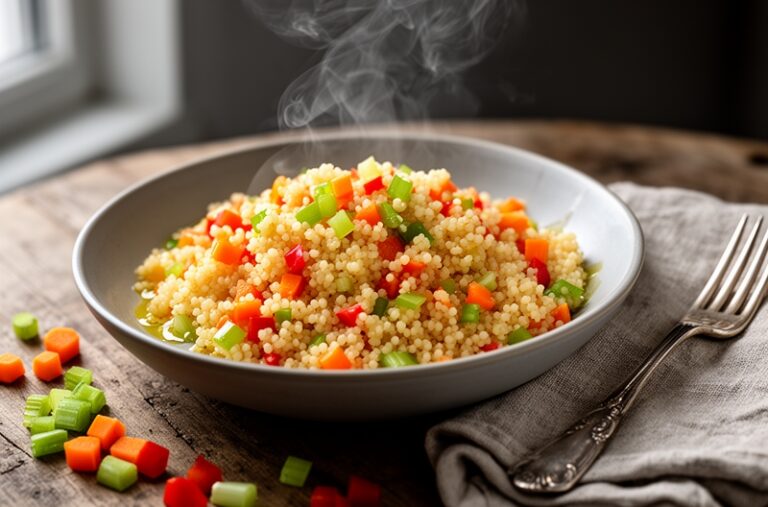
Italian Garden Couscous — A refined expression of the Mediterranean’s culinary heritage, particularly popular in Southern Italy for its vibrant simplicity.
Traditionally crafted with seasonal vegetables and a delicate pasta grain, this Gustoli-exclusive version is optimized for heart health and balanced nutrition.
Ready in 35 minutes, it seamlessly bridges authentic Italian tradition with modern nutritional excellence.
Beyond the Plate: The Story of Italian Garden Couscous
Mastering the Technique
A step-by-step guide to Italian perfection
The Artisan’s Pantry
Selecting the right components is 70% of the Italian culinary success. Here is what I’ve curated for this Italian Garden Couscous, featuring a special Gustoli tweak of brightening notes at the finish:
- Two generous tablespoons of cold-pressed extra virgin olive oil — [Pro-Tip: Choose a high-quality, fruity olive oil from Puglia or Sicily for its distinct peppery notes.]
- One-quarter cup of sweet Roman carrots, finely diced with precision (brunoise) — [Pro-Tip: Aim for perfectly uniform small cubes; this ensures even cooking and a refined texture.]
- One-quarter cup of crisp Italian celery, finely diced (brunoise) — [Pro-Tip: Use the inner, lighter green stalks for a milder flavor and tender bite.]
- One-quarter cup of vibrant crimson bell pepper, finely diced (brunoise) — [Pro-Tip: Red peppers offer a wonderful sweetness that balances the other aromatics; remove all white pith for a cleaner taste.]
- Two full cups of rich, homemade organic chicken broth or a robust vegetarian stock — [Pro-Tip: A quality stock is paramount; it forms the soul of this dish. If using packaged, ensure it’s low-sodium.]
- One-half cup of fine Italian couscous (or Sardinian fregola) — [Pro-Tip: Look for the smaller grain varieties; they absorb flavor more efficiently and provide a delicate mouthfeel.]
- A generous pinch of flaky sea salt — [Pro-Tip: Add salt incrementally, tasting as you go, to enhance the flavors without overpowering them.]
- Freshly cracked black pepper, to taste — [Pro-Tip: Grind your pepper just before adding it for maximum aromatic impact.]
- A squeeze of fresh lemon juice and a scattering of finely chopped fresh parsley (Gustoli Tweak) — [Pro-Tip: These fresh finishes awaken all the flavors and add a burst of brightness, crucial for a light, Mediterranean profile.]
The Culinary Workflow
-
Building the Aromatic Foundation
Begin by heating the exquisite extra virgin olive oil in a wide, heavy-bottomed pan over a medium flame. Allow it to shimmer gently, indicating it’s ready to welcome the flavors.
Listen for the soft sizzle as you introduce the finely diced carrots, celery, and red bell pepper. Stir continuously, allowing these garden jewels to soften and release their sweet, earthy perfumes into the oil. This step is about creating a fragrant base, not browning them.
My personal shortcut here is to cover the pan for the first two minutes after adding the vegetables. This gentle steaming helps them soften quickly and evenly, ensuring a tender bite without losing their vibrant color. For more flavorful foundations, one might consider a soffritto base.
-
Infusing the Grains with Broth
Once the vegetables are translucent and tender, pour in the rich chicken or vegetable stock. Bring the liquid to a gentle simmer, allowing the flavors to meld and deepen. This step is crucial for infusing the broth with the essence of the vegetables.
Watch as small bubbles begin to rise to the surface, signaling the perfect temperature for the next stage. The aroma in your kitchen should now be a comforting blend of savory broth and sweet vegetables. Taste the broth and adjust the seasoning with flaky sea salt and freshly cracked black pepper at this point.
Here’s my trick: I always add a sprig of fresh thyme or a bay leaf to the simmering broth, removing it before the couscous. It lends an herbaceous depth that elevates the entire dish without overpowering the delicate vegetable flavors.
-
The Gentle Simmer & Perfect Finish
Carefully stir in the fine Italian couscous. Once added, reduce the heat to low, cover the pan snugly, and let it cook undisturbed for about 5 to 7 minutes. This allows the couscous to slowly absorb the flavorful liquid, swelling into tender, separate grains.
Do not lift the lid during this process. Trust your nose; a gentle, even steam should be escaping, and you’ll notice the liquid level diminishing. The grains will become plump and perfectly al dente, offering a delightful chew.
Before serving, I always give the couscous a final fluff with a fork. Then, I stir in a squeeze of fresh lemon juice and a generous scattering of finely chopped fresh parsley. This brightens every spoonful, adding a burst of freshness that is characteristic of authentic Mediterranean cuisine. This dish is naturally vegetarian-friendly if you use vegetable stock.
Alessia’s Expert Secrets
Achieving perfectly separate, fluffy couscous grains is key. The secret lies in not overcooking it and using just the right amount of liquid. After it absorbs the stock, let it rest, covered, off the heat for 2-3 minutes. This allows any residual moisture to be absorbed, preventing stickiness.
This Italian Garden Couscous sings alongside grilled fish, a simple roasted chicken, or even as a light standalone lunch. For wine, choose a crisp Vermentino or a light, unoaked Greco di Tufo to complement its fresh, herbaceous notes without overwhelming the palate.
Recipe Insights & Tips
Why is finely dicing the vegetables essential for this dish?
Finely dicing, or *brunoise*, the vegetables serves several purposes. Firstly, it ensures they cook quickly and evenly, becoming tender without turning mushy. Secondly, it creates a harmonious texture with the small couscous grains, so every bite offers a balanced blend of flavors and textures, rather than large, distracting chunks.
How does this fit into a Longevity diet?
This Italian Garden Couscous is a superb example of a Longevity-focused dish. It aligns perfectly with the Mediterranean diet, emphasizing fresh vegetables, healthy fats from olive oil, and whole grains (or small pasta grains like couscous). It is naturally low in sugar, supports kidney function with its balanced ingredient profile, and is free from many common allergens, making it a wholesome choice for sustained wellness and vitality.
Kcal
Wellness & Longevity Note
This recipe provides a nutrient-dense profile. The vibrant medley of carrots, celery, and bell peppers delivers a rich source of vitamins, antioxidants, and dietary fiber, crucial for digestive health and immune support. The extra virgin olive oil contributes heart-healthy monounsaturated fats. When prepared with a quality stock, this dish is hydrating and provides essential minerals. Its balanced composition supports stable blood sugar levels, is gentle on the kidneys, and avoids common allergens, making it an excellent choice for a mindful, longevity-oriented diet. It truly embodies the simple, healthful essence of Italian cuisine.