
The Soul of Romagna: Artisanal Piadina, a Timeless Italian Flatbread
Authentic Italian Piadina Recipe — A refined expression of Romagna’s culinary heritage.
Traditionally crafted with finest flour blends and a touch of sourdough starter, this Gustoli-exclusive version is optimized for digestive wellness.
Ready in 115 minutes, it seamlessly bridges authentic Italian tradition with modern nutritional excellence.
Beyond the Plate: The Story of The Soul of Romagna: Artisanal Piadina, a Timeless Italian Flatbread
Mastering the Technique
A step-by-step guide to Italian perfection
The Artisan’s Pantry
Selecting the right components is 70% of the Italian culinary success. Here is what I’ve curated for this The Soul of Romagna: Artisanal Piadina, a Timeless Italian Flatbread:
- Gustoli’s Signature Whole-Wheat Flour Blend: 3.5 cups (approximately 395g) of premium white whole-wheat flour, finely milled. — [Pro-Tip: Opt for organic, stone-ground varieties for superior flavor and nutrient profile.]
- Artisanal Semola Rimacinata: ¾ cup (approximately 125g) of fine semola rimacinata flour, plus a little extra for dusting. — [Pro-Tip: This high-protein durum wheat flour adds the distinctive chew and golden hue essential for authentic piadina.]
- Liquid Gold Extra-Virgin Olive Oil: ¼ cup of robust, cold-pressed extra-virgin olive oil, plus more for greasing the bowl, brushing the dough, and a final drizzle. — [Pro-Tip: Choose an oil with a fruity, peppery finish from a reputable Italian estate.]
- Active Sourdough Discard: ¼ cup (about 60g) of vibrant sourdough starter discard. — [Pro-Tip: Even inactive discard contributes flavor and helps with the dough’s structure and digestibility, but a slightly active one works wonders.]
- Flaky Mediterranean Sea Salt: 1 tablespoon plus 1 teaspoon of delicate flaky sea salt. — [Pro-Tip: Distribute evenly to ensure every bite sings with balanced seasoning.]
- Perfectly Warm Water: 1.5 cups (about 360ml) of filtered water, warmed to approximately 82°F (28°C). — [Pro-Tip: Temperature consistency is crucial; it awakens the flour and sourdough.]
- Optional Indulgence for Serving: Thinly sliced, rendered guanciale or a spread of organic ghee. — [Pro-Tip: Guanciale adds an authentic savory richness, while ghee offers a buttery note for vegetarian diners.]
The Culinary Workflow
-
The Flour Foundation & First Hydration
Begin by combining the white whole-wheat flour, semola rimacinata, and flaky sea salt in a large mixing bowl. Whisk these dry ingredients together gently to ensure even distribution. This initial mix is vital for creating a homogenous dough, much like the foundations of all great artisan Italian breads.
As you mix, notice the fine, almost sandy texture of the semola alongside the lighter whole-wheat. The air fills with a subtle, earthy aroma of grain. This sensory awareness helps you connect with the ingredients from the very start.
Here’s a trick from my kitchen: always use a large bowl to give your ingredients space to breathe. It makes the initial mixing much easier and prevents spillage.
-
Infusing Flavor and Forming the Dough
Next, create a well in the center of your dry ingredients. Pour in the perfectly warmed water, the cold-pressed extra-virgin olive oil, and the sourdough starter discard. Use a sturdy wooden spoon or your hands to gradually incorporate the wet into the dry, working from the inside out until a shaggy, cohesive dough forms. Knead this dough gently within the bowl for about 2-3 minutes.
The dough will start sticky, then slowly come together, feeling slightly tacky but manageable. The olive oil will lend a beautiful sheen, and a faint, yeasty aroma will begin to develop from the sourdough. Trust the process; the dough needs time to hydrate fully.
My personal shortcut for sticky dough: lightly oil your hands with a tiny bit of olive oil before kneading. It prevents sticking without adding excess flour, which can dry out the piadina.
-
The Rest and Refinement
Transfer the dough to a lightly oiled bowl, turning it once to coat. Cover the bowl tightly with a clean kitchen towel or plastic wrap and allow it to rest at room temperature for at least 60 minutes, or up to 2 hours. This resting period, known as autolyse, is where the magic happens; it allows the flours to fully hydrate and the gluten to relax, making the dough much more pliable and easier to work with.
After resting, the dough will feel noticeably softer, more elastic, and less sticky. It should have a subtle aroma of fermented grain, a testament to the sourdough working its quiet wonders. This is the moment when the dough truly transforms, ready for shaping.
For truly exceptional texture, I always aim for a full 90-minute rest. If you have extra time, a slightly longer rest will enhance both the flavor and elasticity.
-
Shaping and Griddle Searing
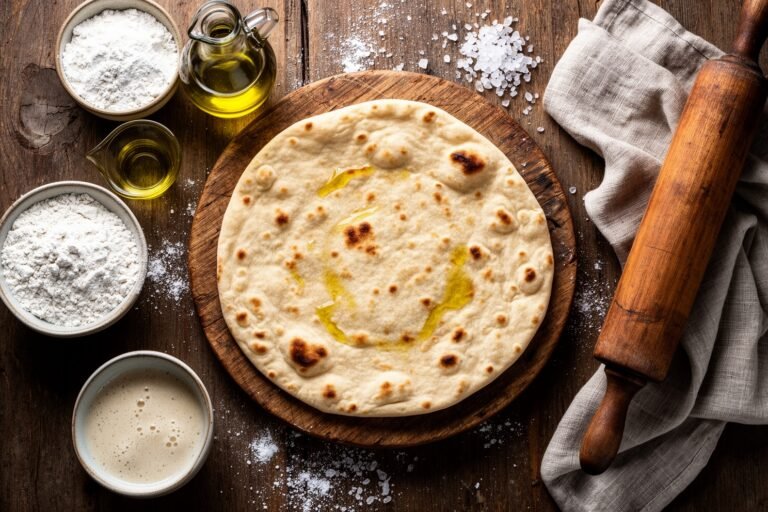
Divide the rested dough into 8 equal portions. On a lightly floured surface (using extra semola rimacinata), roll each portion into a thin, round disc, about 8-10 inches in diameter. Heat a heavy-bottomed skillet or cast-iron griddle over medium-high heat until hot. Brush the pan lightly with olive oil. Place one piadina on the hot griddle and cook for 2-3 minutes per side, until golden brown spots appear and the flatbread puffs slightly.
Watch for the beautiful blisters forming on the surface, and listen for the gentle sizzle as the dough cooks. The edges will crisp, and the interior will remain tender. A deep golden color signals perfection.
Alessia’s secret: do not overcrowd the pan. Cook one piadina at a time to maintain consistent heat and ensure a perfect sear. Serve immediately, brushed with a touch more olive oil, or with your chosen accompaniments.
Alessia’s Expert Secrets
Achieving the perfect piadina means a crisp exterior with a soft, pliable interior. The key is using a hot griddle for a quick, intense sear, which creates those signature golden blisters without drying out the dough.
For an authentic Romagnan experience, serve your piadina with thinly sliced prosciutto di Parma, creamy squacquerone cheese, and fresh arugula. A light, sparkling Lambrusco wine or a simple sparkling water with lemon perfectly complements its rustic charm.
Recipe Insights & Tips
Why is the flour blend and sourdough essential for this dish?
The combination of white whole-wheat flour provides essential fiber and a robust, earthy flavor, while the semola rimacinata adds elasticity and a desirable chew. The sourdough starter discard introduces a subtle tang and significantly improves the dough’s digestibility by breaking down complex starches, making it a fantastic choice for gut health.
How does this fit into a Longevity diet?
This piadina, made with whole-wheat flour and olive oil, aligns beautifully with the Mediterranean diet’s principles. Whole grains contribute fiber, vital for healthy digestion and blood sugar regulation. Extra-virgin olive oil provides monounsaturated fats, known for their heart health benefits. The sourdough process further enhances nutrient absorption and promotes a healthy gut microbiome, making it a truly wholesome choice for long-term well-being.
Kcal
Wellness & Longevity Note
This artisanal piadina is a testament to simple, healthful Italian eating. Each flatbread, thoughtfully prepared with whole-wheat flour and fermented with sourdough, offers a richer fiber profile compared to traditional white flour versions, supporting stable energy levels and digestive regularity. The generous inclusion of superior extra-virgin olive oil provides beneficial monounsaturated fats and antioxidants, contributing to cardiovascular wellness. Furthermore, being naturally free from common allergens like eggs, soy, and nuts, it caters to a wide array of dietary needs without compromising on authentic flavor or nutritional integrity. It’s a balanced choice, perfect as a canvas for fresh, seasonal ingredients.