
The Silky Spuma di Tonno: A Sicilian Seafood Whisper
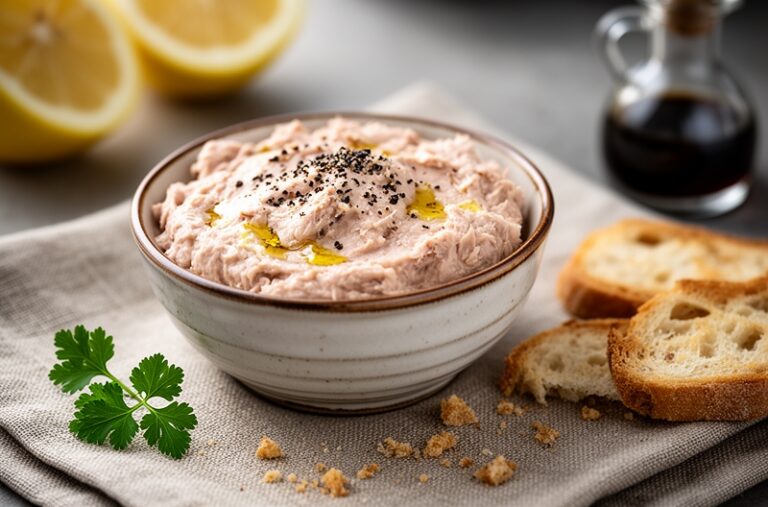
Spuma di Tonno Mediterranea — A refined expression of Sicily’s culinary heritage.
Traditionally crafted with the finest Italian tuna and cultured butter, this Gustoli-exclusive version is optimized for Keto-friendly wellness.
Ready in 15 minutes, it seamlessly bridges authentic Italian tradition with modern nutritional excellence.
Beyond the Plate: The Story of Spuma di Tonno Mediterranea
Mastering the Technique
A step-by-step guide to Italian perfection
The Artisan’s Pantry
Selecting the right components is 70% of the Italian culinary success. Here is what I’ve curated for this Spuma di Tonno Mediterranea:
- Finest wild-caught Italian tuna in its rich olive oil, gently drained (approx. 6 ounces) — [Pro-Tip: Choose a high-quality, sustainably sourced brand for superior flavor and texture. The oil itself is a treasure; save a tiny bit for garnish if desired.]
- Two teaspoons of aged Modena balsamic vinegar — [Pro-Tip: A genuine balsamic adds a sweet and tangy counterpoint without overwhelming the delicate tuna.]
- Two teaspoons of bright, freshly squeezed lemon juice — [Pro-Tip: Always use fresh lemon; its vibrant acidity is crucial for balancing the richness.]
- One teaspoon of umami-rich soy sauce — [Pro-Tip: This tiny secret ingredient enhances the savory depth, a modern twist that respects tradition.]
- Two generous tablespoons of perfectly softened, cultured unsalted butter — [Pro-Tip: Room temperature butter is key. It ensures a smooth, creamy emulsion, giving the mousse its luxurious consistency.]
- A generous pinch of flaky Mediterranean sea salt and freshly cracked black pepper, to taste — [Pro-Tip: Season incrementally as you blend, tasting often. The tuna itself can be salty.]
- Three tablespoons of chilled, luxurious heavy cream — [Pro-Tip: Keep the cream very cold; this helps it to emulsify beautifully and contribute to the mousse’s light, airy texture.]
The Culinary Workflow
-
Crafting the Tuna Foundation
Begin by flaking the gently drained Italian tuna into the bowl of your food processor. Make sure there are no large chunks. We aim for a consistent, yet not entirely pureed, texture at this stage.
Observe the tuna as it flakes. It should still have some integrity, a testament to its quality. The goal is to prepare it to absorb the forthcoming flavors without becoming pasty.
My personal shortcut here is to use a fork first to break up the tuna slightly before introducing it to the processor. This gives you more control over the initial texture.
-
The Art of the Emulsion
Now, introduce the softened cultured butter, aged balsamic vinegar, fresh lemon juice, and the hint of umami-rich soy sauce to the food processor with the tuna. Process until the mixture begins to come together smoothly, almost like a pâté.
Listen for the change in sound from the processor; it will become quieter as the ingredients emulsify. Watch for the mixture to transform into a cohesive, creamy mass. This is where the magic begins.
For a truly exceptional emulsion, I always add the butter in small pieces while the processor is running. This creates a beautifully homogenous base, crucial for the final texture.
-
Achieving Velvety Perfection
With the processor still running, slowly drizzle in the chilled heavy cream until the mousse becomes light, airy, and velvety smooth. Taste and adjust the seasoning with flaky Mediterranean sea salt and freshly cracked black pepper.
The mousse should lighten in color and volume, taking on a silken sheen. It’s about finding that perfect balance—creamy without being heavy, flavorful without being overpowering.
Here’s Alessia’s secret: for an extra touch of brightness, I sometimes fold in a whisper of finely grated lemon zest just before serving. It awakens all the flavors beautifully.
Alessia’s Expert Secrets
To achieve that perfect velvety mouthfeel, do not over-process the tuna in the first stage. You want it finely flaked, not a complete paste. The slow addition of chilled cream in the final step is essential for incorporating air, ensuring a light, ethereal consistency.
This delicate spuma shines brightest when served simply. Pair it with crisp, toasted crostini or slender grissini. For an exceptional pairing, consider a chilled glass of Vermentino or a dry Prosecco; their crisp notes cut through the richness beautifully. This makes it an ideal addition to our collection of refined antipasti.
Recipe Insights & Tips
Why is the finest Italian tuna essential for this dish?
The quality of your tuna dictates the entire experience. Italian tuna, typically packed in excellent olive oil, offers a superior texture and richer, more nuanced flavor compared to standard canned tuna. This premium base prevents any fishy notes, ensuring a delicate and sophisticated mousse. It’s truly a foundational ingredient in many exquisite seafood dishes.
How does this fit into a Longevity diet?
This Spuma di Tonno is a fantastic example of balancing indulgence with wellness. Rich in omega-3 fatty acids from the tuna, it supports brain and heart health. Being naturally low-carb and Keto-friendly, it provides sustained energy without sugar spikes. The healthy fats from the olive oil (in which the tuna is packed) and butter contribute to satiety and nutrient absorption, aligning perfectly with Mediterranean diet principles focused on nutrient-dense, wholesome ingredients. It’s truly a delicious way to enjoy a quick and healthy meal or appetizer.
Kcal
Wellness & Longevity Note
This Spuma di Tonno Mediterranea, while rich in flavor, is also a nutritional powerhouse. The wild-caught Italian tuna delivers a substantial dose of lean protein and essential omega-3 fatty acids, vital for cardiovascular well-being and cognitive function. The healthy fats from the premium olive oil and cultured butter contribute to satiety and nutrient absorption, supporting a low-carb, Ketogenic approach to eating. It is thoughtfully designed to be Sugar-Conscious, Kidney-Friendly, and rich in beneficial fats, making it an excellent choice for those pursuing metabolic wellness and a long, vibrant life, just as Nonna Isabella would have intended.